
Why the Right Thinner Matters for Industrial Coatings
Using the wrong thinner can ruin an otherwise perfect coating job. Learn what thinners do, how to match them to your paint system and how to mix and use them safely.
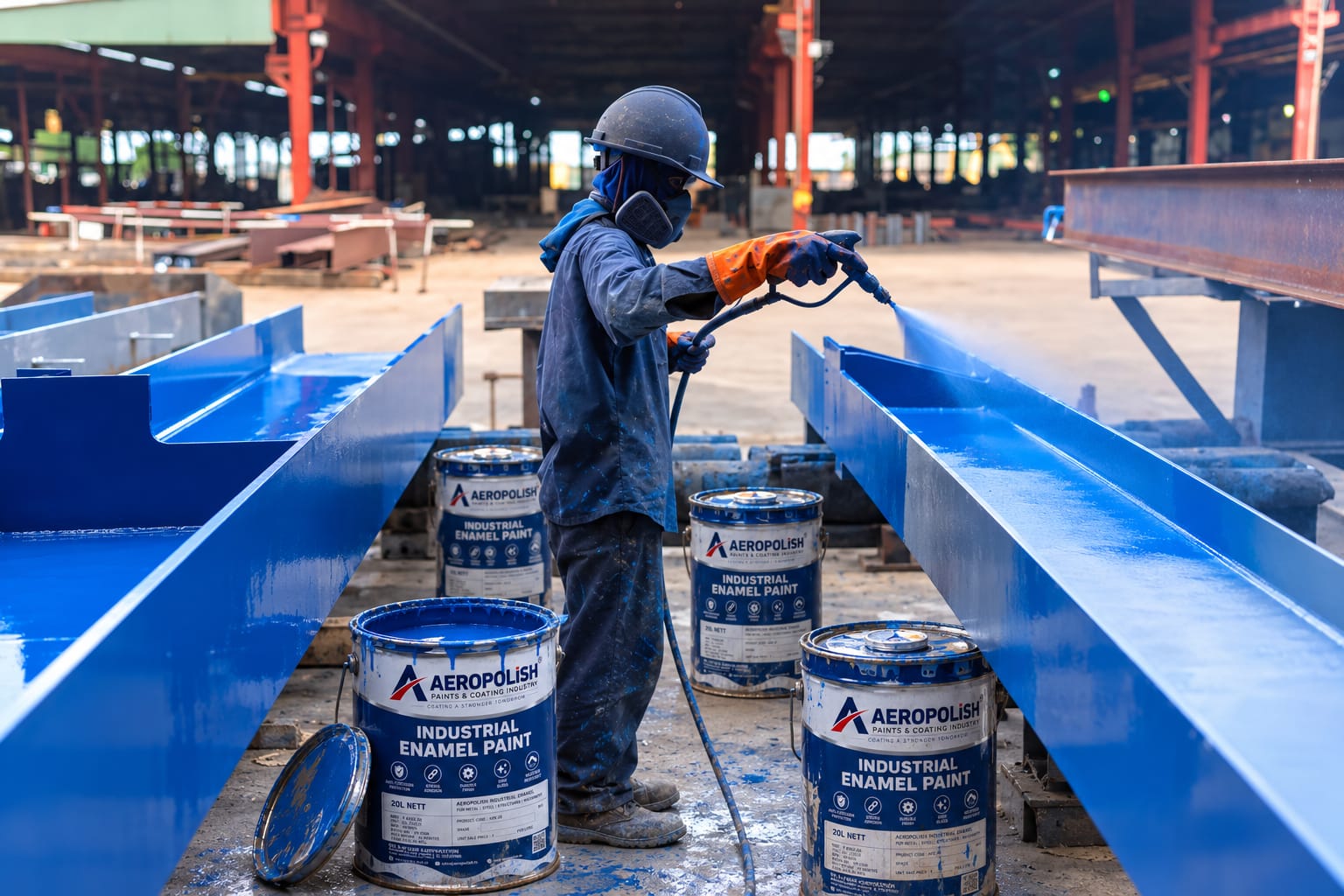
Industrial paints are engineered systems. The resin, pigment and solvents are balanced to give a specific film thickness, drying time, hardness and finish. When a painter adds the wrong thinner, or adds too much, that balance breaks, and problems follow: poor flow, runs, orange peel, blushing, weak adhesion and a film that never cures properly.
This article explains what a thinner actually does, how to choose the right one for your coating and how to use it safely on the shop floor or at the site.
What is a thinner and why do we use it?
A thinner is a blend of solvents used to reduce the viscosity of a paint so that it can be applied smoothly by spray, brush or roller. Thick paint applied straight from the tin can leave brush marks, clog spray guns or lay down an uneven film. A suitable thinner lets the paint flow and level out before it dries.
A thinner does not add any protection to the surface. It evaporates as the coating dries. That is why the amount you add matters so much: too much thinner leaves a thin, weak film that does not protect the steel and may need extra coats.
Thinner is not the same as cleaning solvent
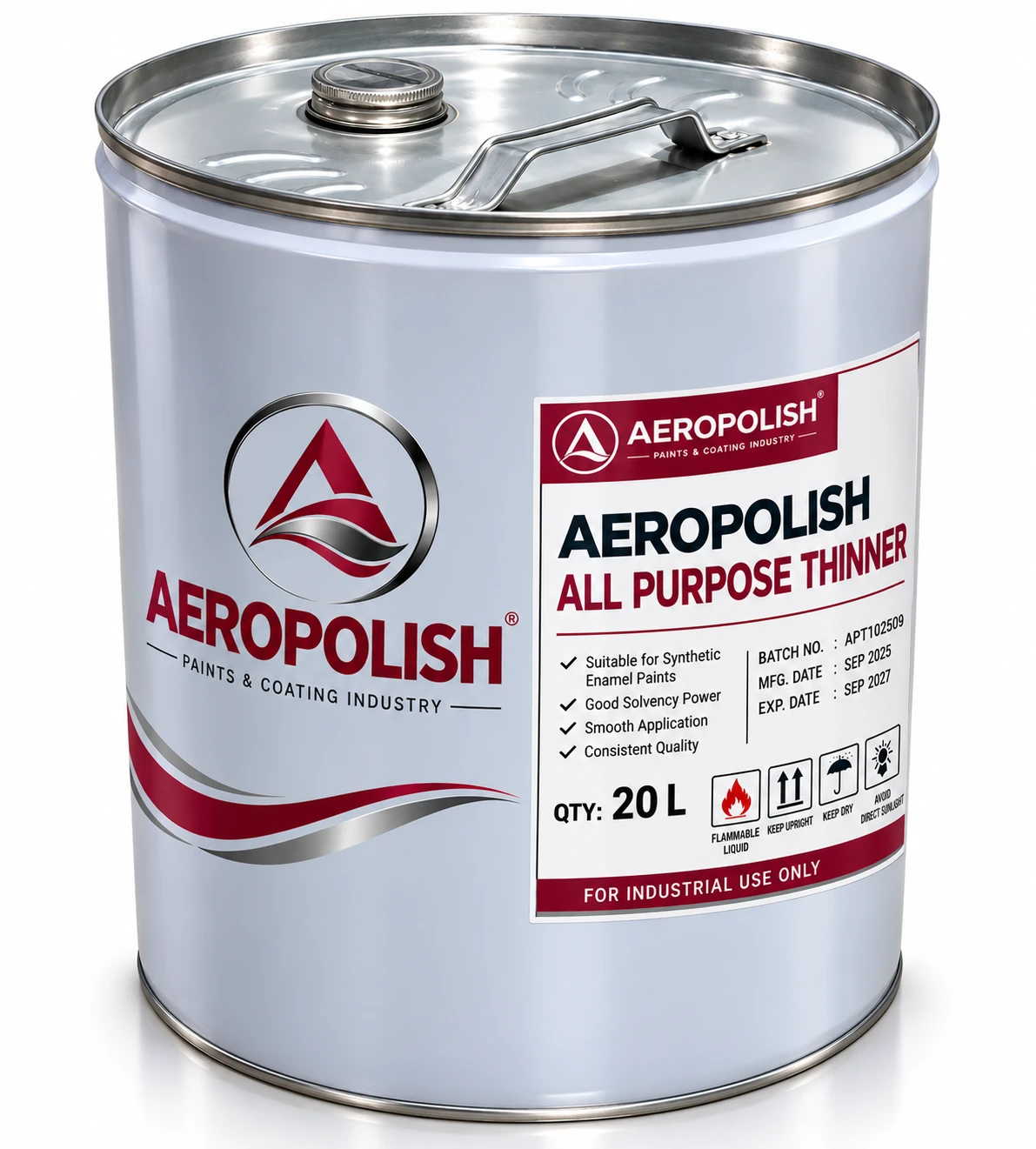
It is tempting to use any available solvent for both thinning and cleaning, but they are not interchangeable. Cleaning solvents are chosen to dissolve dried paint and residue from tools. Thinners are formulated to blend with a specific paint system without damaging its chemistry.
Use the thinner recommended for your coating when mixing the paint, and keep a separate, lower-grade solvent for washing guns, brushes and containers.
Match the thinner to the paint system
Different resin systems need different solvent blends:
- Nitrocellulose (NC) coatings: use NC thinner, which dissolves and balances the nitrocellulose resin and dries quickly.
- Polyurethane (PU) systems: use PU thinner, which is free of moisture and reactive ingredients that could interfere with the curing.
- Synthetic enamels and general-purpose paints: an all-purpose thinner is generally suitable.
- Quick-dry and fast-evaporating systems: use the thinner that the manufacturer specifies for the spray conditions.
When in doubt, check the technical data sheet. It lists the recommended thinner and the typical thinning ratio.
How much thinner should you add?
The right amount depends on the paint, the method and the weather. Spray application normally needs more thinning than brush or roller work, and hot dry weather usually calls for a slower thinner than cool humid weather. The data sheet gives a recommended range, often shown as a percentage by volume.
Add the thinner gradually while stirring, test on a scrap panel and stop as soon as the paint flows well. Measure with a clean container instead of guessing, so every batch is consistent and colours stay uniform across large jobs.
Problems caused by the wrong thinner
- Orange peel: a thinner that evaporates too fast does not give the paint time to level.
- Runs and sags: too much thinner, or one that is too slow, leaves the film wet for too long.
- Blushing: a milky haze caused by moisture trapped as a fast thinner cools the surface in humid air.
- Poor adhesion or lifting: a solvent that does not suit the paint can soften the previous coat.
- Slow or incomplete curing: the wrong thinner can interfere with two-component systems.
- Gun problems: wrong viscosity causes spitting, clogging and uneven spray patterns.
Mixing and application tips
Stir the paint thoroughly before adding thinner, because pigments settle at the bottom. Keep your tools, gun and containers clean and dry, since water and contamination ruin many industrial coatings. Strain the paint through a filter before spraying to catch lumps.
Work at the temperature range given on the data sheet and avoid painting steel that is damp or very hot. Always apply a test coat on a scrap piece before starting the real job.
Safety: respect the solvent
Thinners are flammable and their vapours can harm your health. Work in a well-ventilated area, keep them away from flames, sparks and hot surfaces, and never smoke nearby. Wear a suitable respirator, chemical-resistant gloves and eye protection. Close containers tightly after use and store them in a cool, shaded place.
Dispose of leftover solvent and used rags responsibly, because oily rags can heat up and ignite on their own if left in a pile.
Key takeaway
A thinner is a small part of the paint system, but it controls how the coating flows, dries and performs. Choose the thinner made for your paint, add it carefully, test before you commit and follow the safety rules. If you are unsure which Aeropolish thinner is right for your coating, contact our team before you start.