
Exterior Paint in Monsoon and Heat: How to Make It Last
Strong sun, heavy rain and humidity are tough on outside walls. Learn how to choose, apply and maintain exterior paint so it keeps its colour and protection for years.
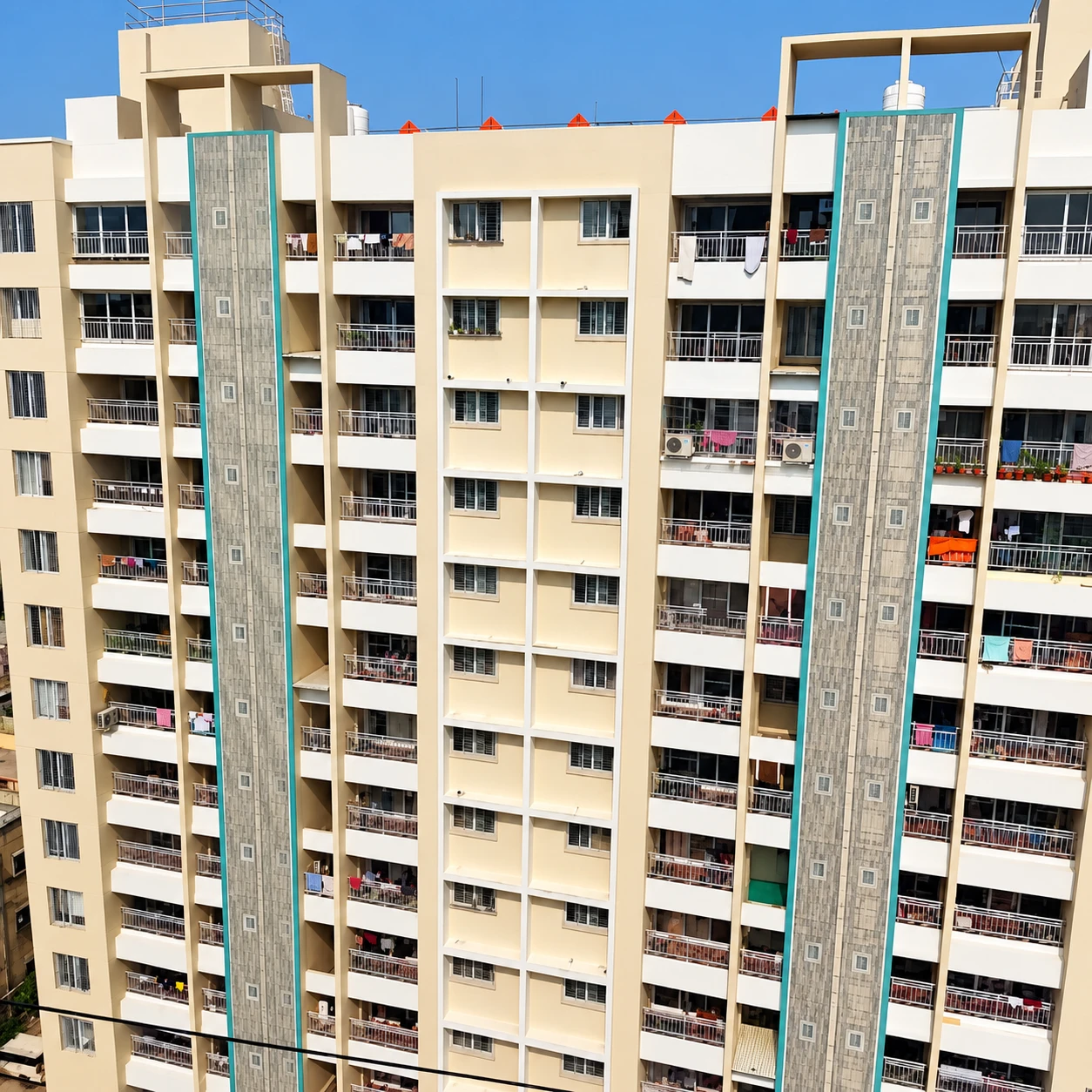
The outside of your home faces the weather every single day. Summer sun bakes the walls, monsoon rain soaks them, and humidity feeds algae and fungus. Over time this causes fading, chalking, cracks and peeling, and the building starts to look old long before its time.
The good news is that most exterior paint failure is avoidable. With the right product, careful preparation and good timing, an exterior paint job can stay fresh and protective for many years. Here is how to get it right.
What your walls are up against
Ultraviolet rays break down pigments and resins, causing fading and a chalky powder on the surface. Rain and moisture enter hairline cracks and porous plaster, pushing paint off from behind. Heat and cold cycles make walls expand and contract, which opens small cracks. Humidity and shade allow algae, moss and fungus to grow, leaving black and green stains. Dust and pollution make surfaces dirty and dull.
A good exterior paint is designed to stand up to all of these, but only if it is applied on a sound, clean and dry surface.
Choose a paint made for the outdoors
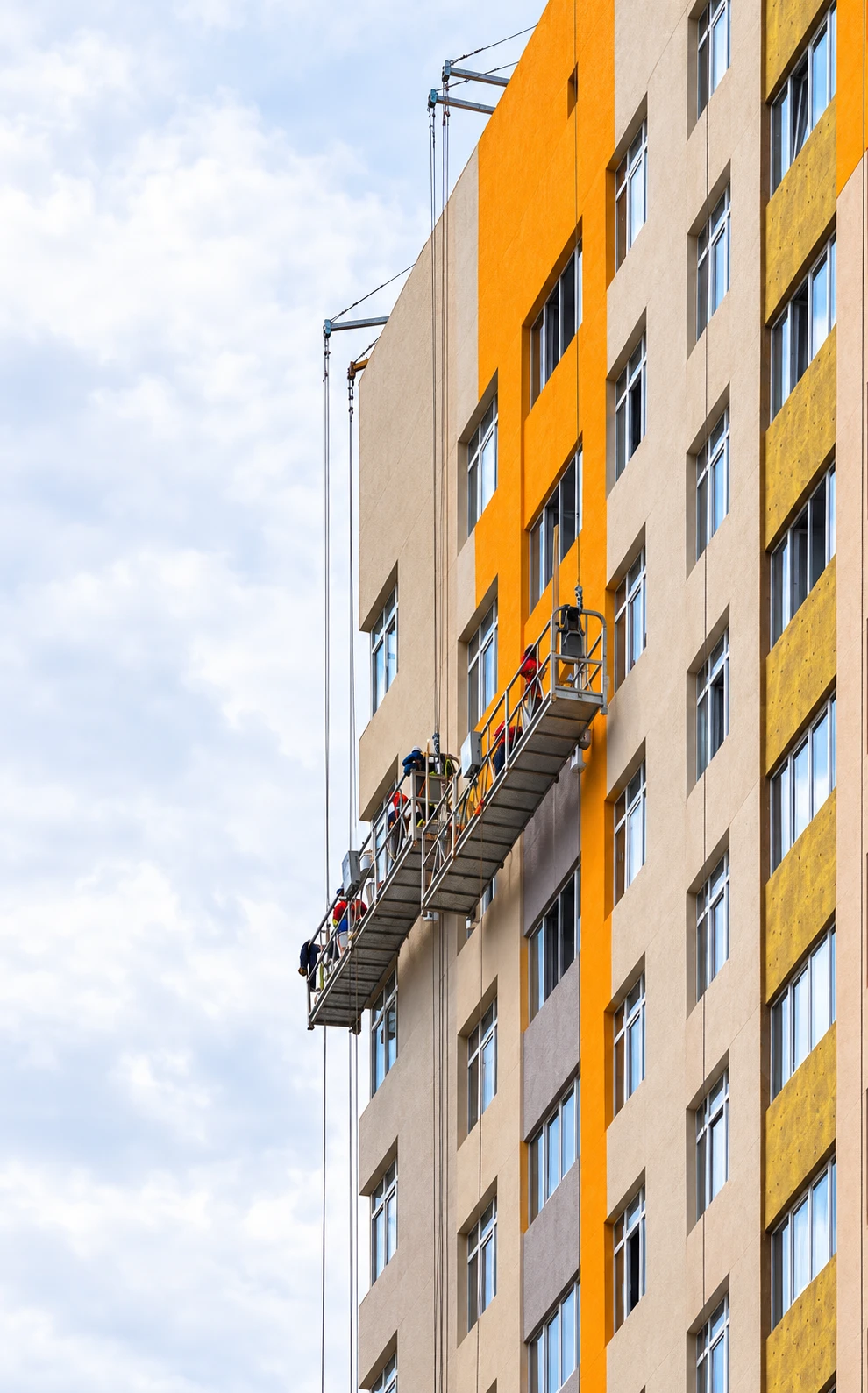
Never use an interior paint outside. Exterior paints contain resins and additives that resist UV, flex slightly with the wall and repel water while still letting trapped moisture escape. Look for products with features such as weather resistance, water repellence, fungus and algae resistance and good colour retention.
Choose the finish with care too. A matt or soft sheen exterior finish hides surface imperfections, while a higher sheen sheds dirt and water more easily but shows flaws more clearly. For textured walls, choose a product suited to texture work.
Preparation is half the battle
Exterior walls need even more preparation than interior ones:
- Wash the wall with water and a stiff brush to remove dust, dirt, algae and chalky residue.
- Scrape off loose and peeling paint until you reach a firm surface.
- Treat fungus and algae with a suitable cleaner and allow the wall to dry fully.
- Repair cracks with a flexible exterior filler, especially around windows and joints.
- Fix leaking pipes, gutters and roof edges so water stops reaching the wall.
- Apply a good quality exterior primer so the paint grips well and colours stay even.
Pick the right time to paint
Timing matters a great deal. The best weather for exterior painting is dry, mild and not too windy. Avoid painting in the monsoon, when walls hold moisture, and avoid painting in the harshest midday sun, which makes paint dry too fast, leaving brush marks and poor adhesion.
Many painters schedule exterior work in the dry months after the monsoon, when walls have dried out, so the paint has time to cure before the next rains. Do not paint if rain is expected within a day or so of application.
Application tips
Start from the top and work downwards so that drips can be smoothed out as you go. Paint in the shade where possible, following the sun around the building. Apply two coats for proper coverage and protection, letting each coat dry as recommended on the label.
Use the right tools for the surface. Rollers with a longer nap suit textured walls, while brushes help reach corners and edges. Do not thin the paint more than the label allows, because over-thinning reduces film thickness and durability.
Maintenance that adds years
Once the paint is done, a little care goes a long way. Wash the walls gently with water once or twice a year to remove dust and early algae. Check for new cracks after each monsoon and repair them before water gets in. Keep plants and creepers away from walls, trim overhanging branches and clean gutters so water does not run down the façade.
Touch up small damaged spots early with the leftover paint. A small repair today prevents a big repaint later.
Summary
To make exterior paint last: use a product made for outdoors, prepare the surface carefully, fix water problems first, paint in suitable weather, apply two coats and look after the walls. Our team can help you choose the right Aeropolish exterior system for your building and climate.