
How to Choose the Right Interior Paint Finish: A Complete Guide
Matt, satin or gloss? This complete guide explains how each finish looks, how it wears and where it works best, so you can pick the right one for every room.
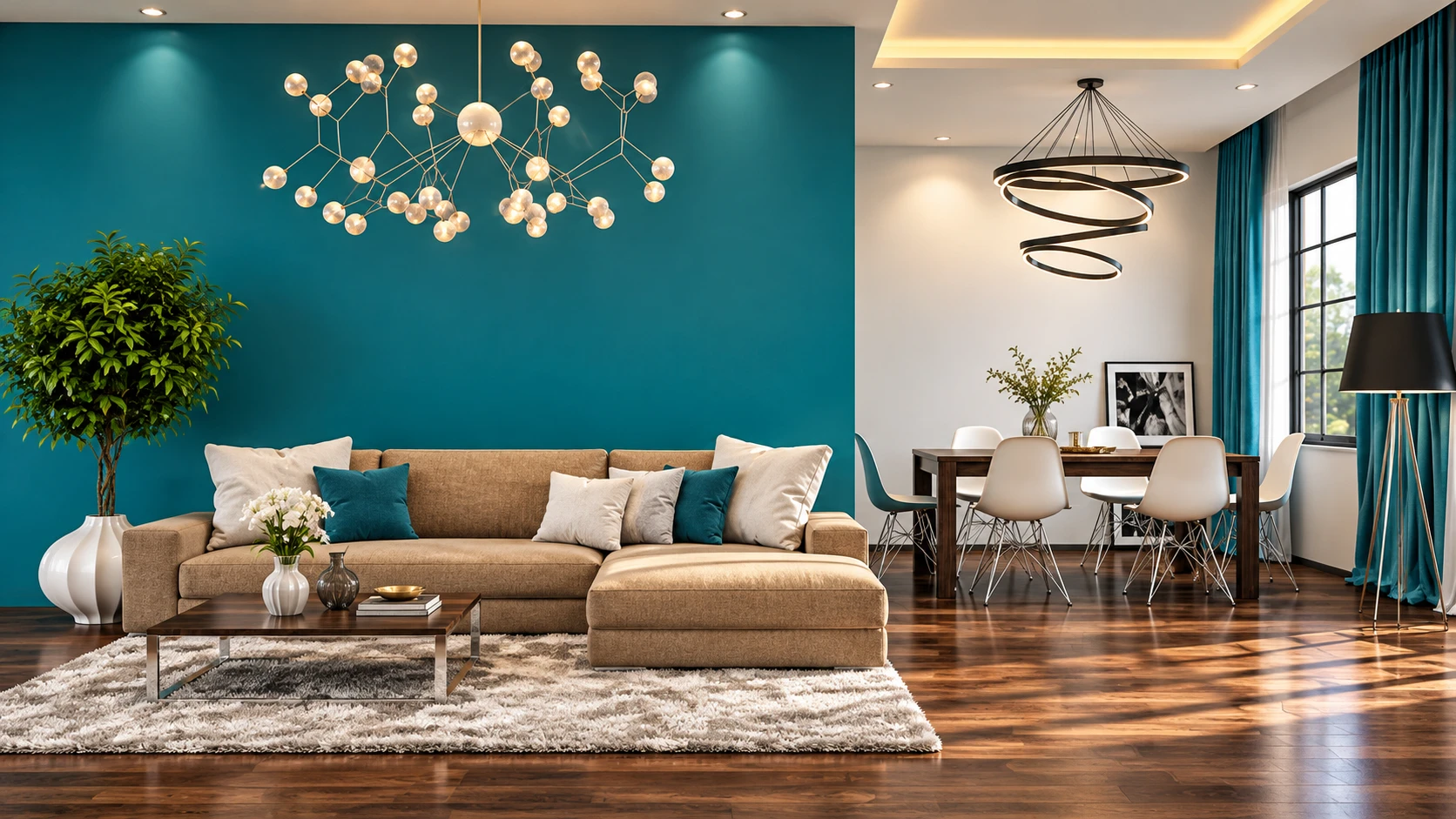
Most people spend hours choosing a colour and about ten seconds choosing the finish. That is a mistake, because the finish decides how the colour looks in daylight, how easily the wall can be cleaned and how well small flaws stay hidden. Two walls painted in exactly the same shade can look completely different if one is matt and the other is glossy.
This guide walks you through the common interior finishes, where each one works best and the questions to ask before you buy. By the end you will be able to match the finish to the room, the lighting and the way your family actually lives.
What does a paint finish actually mean?
The finish, also called the sheen, describes how much light the dried paint reflects. A matt finish scatters light in all directions, so the surface looks soft and flat. A gloss finish reflects light in a sharp, mirror-like way, so the surface looks shiny and smooth.
Sheen is not only about looks. The more glossy a paint is, the more resin it usually contains and the tighter and harder its surface becomes. That is why shinier paints are generally easier to wipe clean and tougher against scuffs, while flatter paints are better at hiding bumps, patches and roller marks.
Matt finish: soft, modern and forgiving
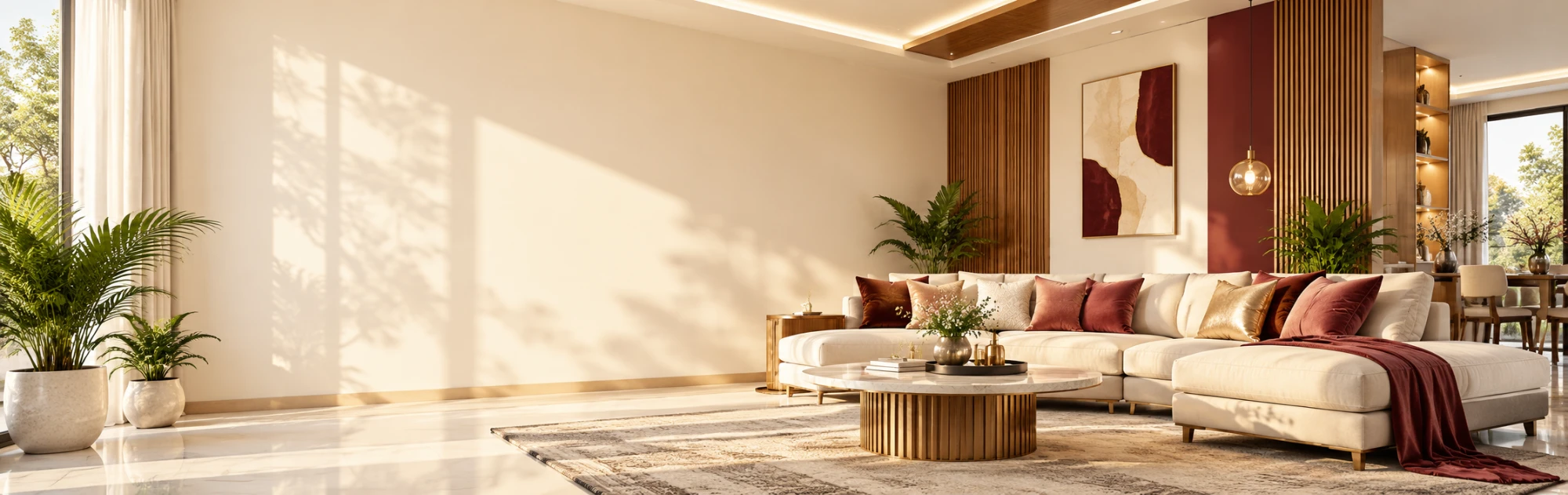
A matt finish gives walls a calm, velvety look with no glare. Because it does not reflect light, it hides small dents, uneven plaster and repair marks far better than any other finish. This makes it the first choice for living rooms, bedrooms, dining areas and ceilings, especially in older homes where walls are not perfectly flat.
Best for: bedrooms, living rooms, ceilings and any wall with minor imperfections.
Keep in mind: matt surfaces are the most delicate to scrub. Choose a washable or stain-resistant matt if the room has children or pets, and wipe marks gently with a soft damp cloth rather than scrubbing hard.
Satin and sheen finishes: the practical all-rounder
Satin, silk and soft sheen finishes sit between matt and gloss. They reflect a gentle amount of light, which adds a little depth to the colour while still looking refined. They are noticeably tougher than matt and can be wiped clean without leaving shiny patches.
Best for: kitchens, corridors, children's rooms, staircases and family spaces that see daily wear.
Keep in mind: a sheen finish shows wall imperfections more than matt does, so good surface preparation matters. Fill cracks, sand smooth and use a primer before painting.
Gloss finish: tough, bright and bold
Gloss paints form the hardest, most easily cleaned surface. They are used on doors, window frames, skirting, railings, furniture and trims, where the surface is touched often and needs to resist knocks and moisture. A glossy trim against matt walls also creates a crisp, clean outline that makes a room look finished.
Best for: doors, windows, trims, grills and furniture.
Keep in mind: gloss shows every flaw. Sand the surface well, remove dust completely and apply thin, even coats. Painting a large wall in full gloss is rarely a good idea unless you want a high-shine, dramatic look.
Match the finish to the room
Use this quick room-by-room guide when you are unsure:
- Living room: matt or soft sheen for a relaxed, premium look.
- Bedroom: matt for a calm, restful feel.
- Kitchen: washable sheen, because of cooking splashes and steam.
- Bathroom: moisture-resistant sheen, with good ventilation.
- Kids' room and corridors: washable sheen or stain-resistant matt.
- Ceilings: flat matt, which hides joints and reduces glare.
- Doors and trims: satin or gloss for durability.
Think about light before you decide
Light changes how a finish behaves. In a room with strong sunlight, a glossy or high-sheen wall will glare and exaggerate every ripple in the plaster. In a dark room, a little sheen helps bounce light around and makes the space feel larger and brighter.
Always test a sample patch about one metre square and look at it in the morning, afternoon and under artificial light in the evening. A finish that looks perfect on a shade card can behave very differently on your own wall.
Common mistakes to avoid
- Choosing a high-gloss finish for a wall with visible cracks or patches.
- Using matt paint in a kitchen or bathroom without checking that it is washable and moisture resistant.
- Mixing too many different sheens in one room, which makes the finish look uneven.
- Skipping the primer, which leads to patchy sheen and uneven colour.
- Judging colour and finish from a small card instead of a painted sample on the wall.
Caring for your painted walls
Whatever finish you choose, let the paint cure fully before cleaning. Most paints feel dry in hours but take a couple of weeks to reach full hardness. After that, remove dust with a soft dry cloth, and treat marks with a damp sponge and mild soap. Avoid abrasive pads and strong chemicals, which dull the finish.
Keep a small tin of the leftover paint, with the shade name and date written on the lid. It makes future touch-ups simple and saves you from hunting for a colour match later.
The short version
Pick matt for a soft look and for hiding flaws, satin or sheen for busy family rooms that need frequent cleaning, and gloss for doors and trims that need maximum toughness. Test a patch in your own light, prepare the surface properly and use a primer. If you are not sure which Aeropolish interior product suits your rooms, our team is happy to guide you.